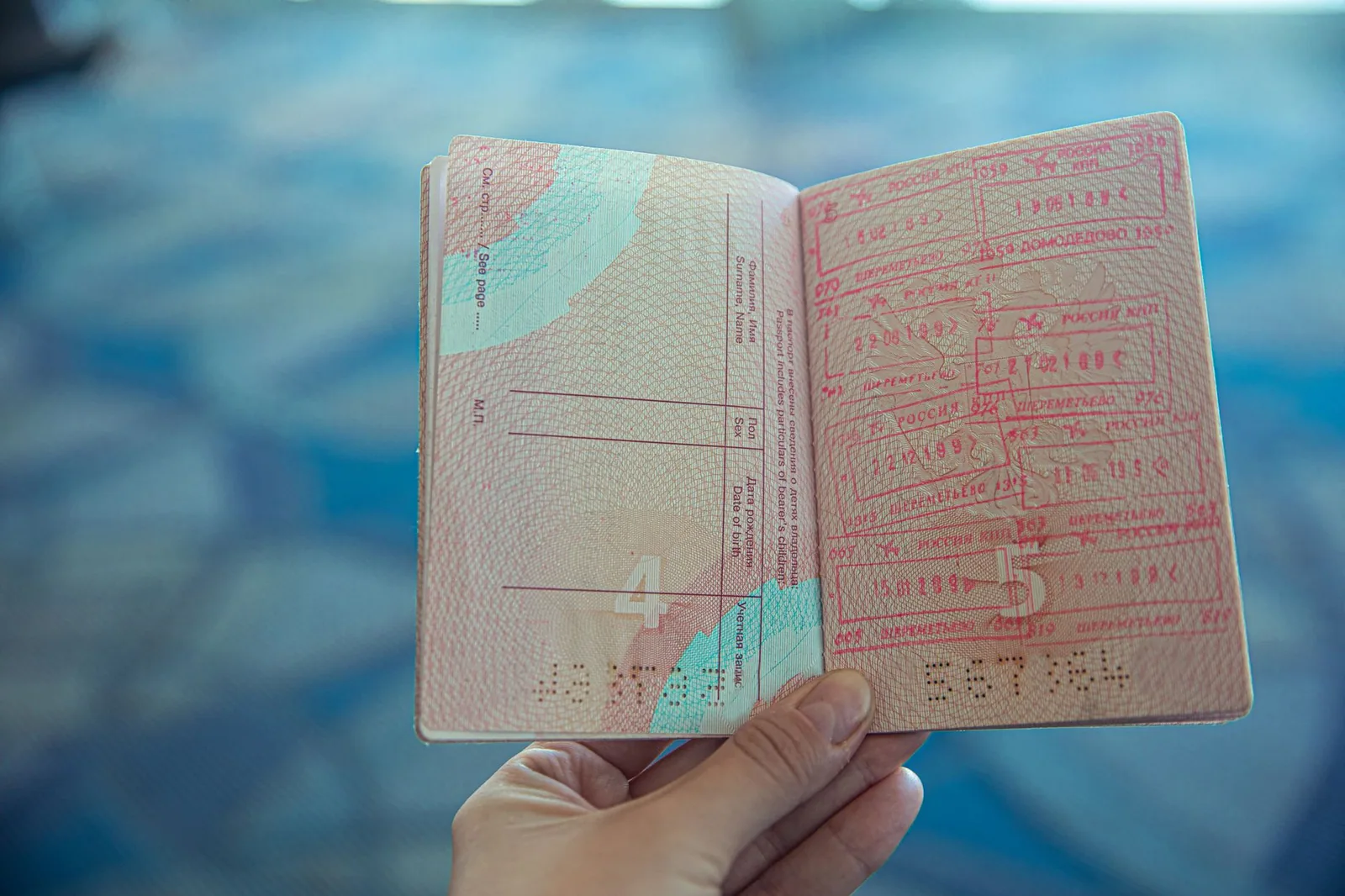
No. There is no Japan visa on arrival. Japan’s Ministry of Foreign Affairs (MOFA) says visas are issued only at Japanese embassies and consulates abroad and cannot be obtained on arrival or inside Japan. Citizens of the 74 countries and regions on MOFA’s visa exemption list need no visa for short stays; they receive landing permission at the airport. Everyone else must apply before departure.
Last checked: 19 October 2026. Based on MOFA’s visa pages (visa exemption list dated 1 September 2025; JAPAN eVISA page dated 15 May 2026), the Embassy of Japan in Singapore’s visa FAQ and the Immigration Services Agency.
0 airportsJapan issues no visas on arrival anywhere
74Countries and regions with visa exemption (MOFA, 1 September 2025)
90 daysUsual stay for exempt visitors; 15 or 30 days for a few nationalities
Before travelVisas come from an embassy, consulate or the JAPAN eVISA system
Why some sources say Japan offers visas on arrival
Some travel advice uses loose wording. The UK government’s Japan page, for example, says British visitors “can get a visa on arrival in Japan for tourism or business for up to 90 days”. In Japan’s own terms, a British passport holder enters visa-free and receives landing permission, not a visa.
MOFA draws the line clearly. A visa is one of the requirements for entering Japan and is issued abroad. Landing permission is granted by an immigration officer at the port of entry when a foreign national meets the entry requirements. Your status of residence, usually Temporary Visitor for tourists, is shown on that landing permission.

Visa-exempt or not: the two groups
What happens at the border depends only on your nationality and the passport you hold, not where you live. Japan’s embassy in the US, for instance, notes that a US green card does not change the rule.
| Your situation | Before you travel | At the Japanese airport |
|---|---|---|
| National of a visa-exempt country, short stay without pay | Nothing to apply for today | Landing permission from the immigration officer |
| Visa-exempt, but your passport type does not qualify (for example no ICAO ePassport where MOFA requires one) | Get a visa from an embassy or consulate | Entry may be refused without a visa |
| National of a country that needs a visa | Apply at an embassy, consulate or, where available, through JAPAN eVISA | Show the visa; no visa can be issued here |
| Any nationality planning paid work or a long stay | Apply for the right visa or status in advance | Visa-free entry does not cover paid work |
Conditions for visa exemption
MOFA’s list covers 74 countries and regions. The usual stay is 90 days; Indonesia and Thailand get 15 days, and Brunei and Qatar 30 days. Several countries have passport conditions:
- Brazil, Montenegro, Panama, Paraguay, Peru, Serbia, Thailand and the United Arab Emirates: only holders of ICAO-compliant ePassports are exempt.
- Indonesia and Qatar: the ePassport must be registered with a Japanese diplomatic mission first; registration lasts 3 years or until the passport expires.
- Barbados, Lesotho and Türkiye: only holders of machine-readable passports are exempt.
- Taiwan: only passports showing a personal ID number qualify.
Check your exact case with our Japan visa checker, or read the full rules in Japan entry requirements. US travellers can go straight to Japan visa requirements for US citizens.

If you need a visa: apply before you fly
Travellers who are not visa-exempt have two routes, both completed before departure.
Embassy or consulate
Apply to the Japanese embassy or consulate covering your place of residence. MOFA notes that in some countries applications go through accredited travel agencies. Processing times are set locally. The embassy in the US, for example, says it generally needs 5 business days but recommends applying at least 1.5 months before departure.
JAPAN eVISA
MOFA’s JAPAN eVISA system lets some travellers apply online for a single-entry short-term tourist visa of up to 90 days. As of 15 May 2026 it is open to non-exempt foreign nationals residing in Australia, Brazil, Cambodia, Canada, Saudi Arabia, South Africa, Taiwan, the United Kingdom and the United States. Residents of China, Hong Kong, India, Indonesia, Macau, Mongolia, the Philippines, the Republic of Korea, Singapore, the United Arab Emirates and Viet Nam apply through accredited agencies, with extra conditions for some.
An eVISA is still a visa issued before travel. MOFA says travellers must display the “Visa issuance notice” at the airport with an internet connection; a PDF, screenshot or printed copy is not accepted. It covers arrivals by air and by scheduled international ferries between Japan and Busan or Shanghai, and only ordinary passports qualify. MOFA also warns about fraudulent look-alike eVISA websites.

Transit: no visa at the airport either
Changing planes without passing immigration needs no visa. According to Japan’s embassy in Singapore, a non-exempt traveller who leaves the airport, even for a few hours, must get a transit visa in advance, because “Japan visas cannot be issued on arrival at the airports”. Some airlines make transfer passengers clear immigration, so check how your connection works. Our guide to transiting through Japan covers the details.
Take a non-exempt traveller connecting in Tokyo for 9 hours who hopes to see the city. Without a visa issued beforehand, she must stay airside. No counter at Narita or Haneda can add one on the spot.
What to prepare for landing permission
Visa-exempt visitors still go through a full examination. The Immigration Services Agency (ISA) asks every new foreign entrant to submit an ED card, on paper or electronically through Visit Japan Web. Officers check that your trip fits a short stay, so keep your return or onward booking and accommodation details handy.
The rules will tighten later. JESTA, Japan’s planned online travel authorisation for visa-exempt visitors, has a target launch within fiscal year 2028 (April 2028 to March 2029). Once it starts, visa-exempt travellers will need approval before boarding. Nothing about fees or an application site has been announced; see what JESTA is.
Japan visa on arrival FAQ
Can I get a visa at Narita or Haneda airport?
No. MOFA says visas cannot be obtained on arrival in Japan. Visa-exempt visitors receive landing permission; others need a visa issued abroad before travel.
Why does UK travel advice mention a visa on arrival?
The UK page uses everyday wording. Japan’s term is landing permission: British citizens are visa-exempt and get permission to land on arrival for short stays.
Does a US green card let me enter Japan without a visa?
No. Visa exemption depends on nationality, not residence. A non-exempt national living in the US needs a visa, or may be able to use JAPAN eVISA for tourism.
Can I extend a visa-exempt stay in Japan?
Only some nationalities can. MOFA lists a 6-month option for Austria, Germany, Ireland, Liechtenstein, Mexico, Switzerland and the UK, with an extension applied for before 90 days expire.
Is JESTA a visa on arrival?
No. JESTA is a planned travel authorisation to be obtained before departure. It is not running yet, and no official application website exists.
Sources
- MOFA: Visa (where visas are issued; landing permission)
- MOFA: Exemption of visa (short-term stay), 1 September 2025
- MOFA: The JAPAN eVISA system
- Embassy of Japan in Singapore: Visa FAQ
- Embassy of Japan in the United States: Visa FAQ
- GOV.UK: Japan entry requirements
- Immigration Services Agency: ED card submission (Japanese)
Japan ESTA Guide is an independent information website. It is not run by or affiliated with the Government of Japan. You cannot apply for JESTA here.