Citizens of 74 countries and regions can visit Japan without a visa. Most may stay up to 90 days, but Brunei and Qatar nationals get 30 days and Indonesia and Thailand nationals 15 days. You need a passport valid for your whole stay and a trip purpose that involves no paid work. You do not need JESTA yet.
Last checked: 19 October 2026. Checked against the Ministry of Foreign Affairs of Japan (MOFA) visa exemption list dated 1 September 2025, Japan Customs and the Immigration Services Agency of Japan (ISA).
74Visa-exempt countries and regions
90 daysUsual maximum stay (15 or 30 for four countries)
¥3,000Departure tax from 1 July 2026
Not yetJESTA is not required today
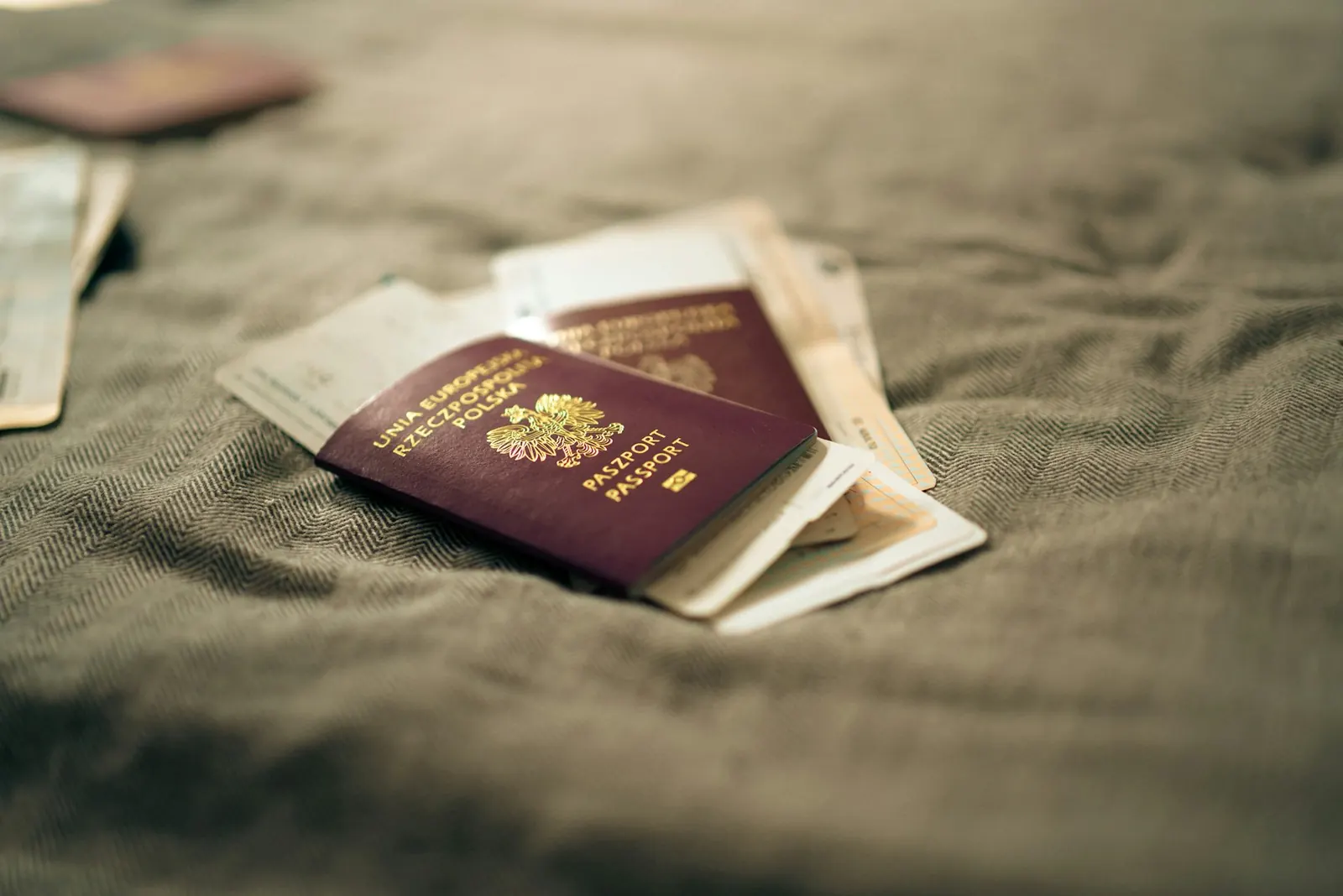
Who can visit Japan without a visa
MOFA’s list of visa exemptions for short-term stays names 74 countries and regions. It covers every EU member state, the United Kingdom, the United States, Canada, Australia and New Zealand, along with many countries in Asia, Latin America, the Middle East and Africa. Taiwan, Hong Kong and Macao are on the list as regions.
If your nationality is not on the list, you need a visa from a Japanese embassy or consulate before you travel. Use our visa checker by nationality to look up your country, or read MOFA’s list directly.
How long you can stay
The maximum stay depends on your nationality. The table below follows MOFA’s list.
| Nationality | Maximum visa-free stay | Note |
|---|---|---|
| Most of the 74 countries and regions | 90 days | Standard period |
| Brunei, Qatar | 30 days | Qatar: ePassport must be registered in advance |
| Indonesia, Thailand | 15 days | Indonesia: ePassport registration; Thailand: ePassport |
| Austria, Germany, Ireland, Liechtenstein, Mexico, Switzerland, United Kingdom | 90 days, extendable to up to 6 months | Apply for an extension at a regional immigration bureau before your 90 days end |
The six-month option is not automatic. MOFA says nationals of these seven countries can stay up to six months only if they apply to a Regional Immigration Bureau of the Ministry of Justice before their permitted stay runs out. To work out your last day, use our Japan stay calculator.
What you can and cannot do
Visa-free entry covers short stays without pay, such as tourism, business meetings, conferences and visits to friends or relatives. Japanese embassies say visa-exempt visitors must not take part in income-earning activities.
- Allowed: sightseeing, visiting family or friends, attending meetings or conferences, business liaison, short training that involves no pay.
- Not allowed: paid work for a Japanese employer or client, and any activity that earns income in Japan.
- Different visa needed: employment, long-term study and other long stays. These usually require a visa and often a Certificate of Eligibility.
Passport requirements
Japan does not require a fixed amount of remaining validity, such as six months. Japanese embassies say your passport only needs to be valid for the whole time you are in Japan. Airlines can apply their own checks, so a passport close to expiry may still cause problems at check-in.
For some nationalities, visa exemption depends on the type of passport or on registering it in advance. These are the conditions in MOFA’s footnotes:
| Condition | Countries and regions |
|---|---|
| ICAO-compliant ePassport registered with a Japanese mission beforehand (valid three years or until the passport expires) | Indonesia, Qatar |
| ICAO-compliant ePassport required, otherwise a visa is needed | Brazil, Montenegro, Panama, Paraguay, Peru, Serbia, Thailand, United Arab Emirates |
| ePassport holders only; others are advised to get a visa | Malaysia |
| Machine-readable passport (ICAO-compliant) only; others are advised to get a visa | Barbados, Lesotho, Türkiye |
| Passport must show a personal ID number | Taiwan |
| HKSAR passport, or BNO passport with right of residence in Hong Kong | Hong Kong |
| Macao SAR passport only | Macao |
| Older passport version only; the new version issued after 16 April 2025 without place of birth is not recognised | Uruguay |
On arrival: forms, fingerprints and customs
Arrival has two stages: immigration, then customs.
- Disembarkation (ED) card. Foreign visitors either fill in the paper ED card or register the same details online in Visit Japan Web and show a QR code at the immigration counter.
- Fingerprints and face photo. Under rules in force since 20 November 2007, foreign nationals provide fingerprints and a facial photo during the landing examination. ISA lists exemptions, including special permanent residents and people under 16.
- Landing permission. If the officer is satisfied, you get permission to land as a Temporary Visitor with a set period of stay. That record is your proof of the period you have been granted.
- Customs declaration. Japan Customs says all passengers entering Japan must declare their belongings. You can use the paper form or declare electronically through Visit Japan Web, which Customs recommends.
Japan Customs publishes duty-free allowances for each adult traveller, including alcohol, tobacco, perfume and other goods up to ¥200,000 in overseas market value. Check the current figures on the Customs page before you pack.
On departure: the ¥3,000 International Tourist Tax
Every departure from Japan carries the International Tourist Tax. It rose from ¥1,000 to ¥3,000 per departure for departures from 1 July 2026, and it applies to Japanese and foreign travellers alike. You usually pay it as part of your airline or ferry ticket.
- Departures under certain transport contracts made before 1 July 2026 keep the ¥1,000 rate.
- Transit passengers who leave within 24 hours of entering Japan are exempt.
- Children under 2 are exempt.
If you shop tax-free, the system changes to a refund model for purchases from 1 November 2026. You pay tax at the till, customs confirms the goods when you leave (within 90 days of purchase), and the tax is then refunded.
What changes when JESTA starts
Japan has passed a law creating JESTA, the Japan Electronic System for Travel Authorization. The government aims to launch it in fiscal year 2028 (April 2028 to March 2029), and by law it must start by 31 March 2029. No exact date has been announced.
Once JESTA starts, visa-exempt visitors will have to get an online authorisation before travelling. Airlines will have to check it before boarding. According to ISA, approved travellers will use kiosks and walk-through gates on arrival instead of getting a passport stamp, and they will need to submit the ED card through Visit Japan Web to use those gates. The visa-free stay limits on this page are not part of the JESTA plans that have been published. Read what JESTA is and when JESTA will start for details.
Japan ESTA Guide is an independent information website. It is not run by or affiliated with the Government of Japan. You cannot apply for JESTA here.
Frequently asked questions
Do I need a visa to visit Japan as a tourist?
Not if your nationality is one of the 74 countries and regions on MOFA’s visa exemption list and your trip is a short stay without paid work. Everyone else needs a visa from a Japanese embassy or consulate before travelling.
Does my passport need six months’ validity for Japan?
No. Japanese embassies say there is no minimum remaining validity. Your passport must be valid for your whole stay. Your airline may still have its own rules.
Do I need JESTA for a trip to Japan now?
No. JESTA is not required today. The government aims to launch it in fiscal year 2028, and no official application website exists yet. ISA has said it is considering a go.jp address for the official site, so treat any site offering JESTA today as unofficial.
Is Visit Japan Web compulsory?
No. You can still use the paper ED card and customs form. Visit Japan Web lets you register the same information in advance and show a QR code instead. Under the JESTA plans, travellers who want to use the walk-through gates will need to submit the ED card through Visit Japan Web.
How much is Japan’s departure tax?
¥3,000 per departure from 1 July 2026, up from ¥1,000. It is usually included in your ticket. Children under 2 and transit passengers leaving within 24 hours are exempt.
Sources
- MOFA: Exemption of Visa (Short-Term Stay), list dated 1 September 2025
- Embassy of Japan in the Netherlands: visa FAQ (passport validity, no income-earning activities)
- Immigration Services Agency: personal identification information (fingerprints and facial photos) at landing examinations
- Japan Customs: passenger procedures and duty-free allowances
- Japan Customs: International Tourist Tax (Japanese)
- Japan Tourism Agency: new tax-free refund system leaflet (PDF)
- Immigration Services Agency: summary of the 2026 amendment creating JESTA (PDF, Japanese)
- Digital Agency: Visit Japan Web