Every passenger entering Japan must make a customs declaration. You can fill in the paper form (Customs Form C No. 5360) on the plane, where one written declaration per family is enough, or declare online through Visit Japan Web and use electronic gates at seven airports. Japan Customs recommends the electronic route. Cash over ¥1 million must be declared separately.
Last checked: 19 October 2026. All rules on this page come from Japan Customs (customs.go.jp) and the Digital Agency’s Visit Japan Web service. Allowances and gate locations can change, so check the official pages before you fly.
1 per familyPaper declaration form
7 airportsElectronic customs gates
¥200,000Other goods allowance (non-residents)
¥1 millionCash declaration threshold
Who must make a Japan customs declaration
Japan Customs states that all passengers entering Japan must declare their belongings. There is no exemption for tourists or for people with “nothing to declare”: you still submit the form (or the electronic version) and tick “No” where it applies.
Paper form: one per family
The English paper form is Customs Form C No. 5360-B, “Declaration of Personal Effects and Unaccompanied Articles”. The official form says only one written declaration per family is required, and it asks how many family members are travelling with you (over 20, 6 to 19, and under 6).
You need to submit the form in duplicate if you have unaccompanied articles (luggage shipped separately). Those articles must be imported within 6 months of your arrival.
Electronic declaration: everyone individually
The electronic gates work differently. Japan Customs says every person, including family members, must complete the terminal step individually. A child under 100 cm tall can pass through the gate with a family member.
Paper form or Visit Japan Web?
| Paper form (C 5360) | Visit Japan Web + e-Gate | |
|---|---|---|
| Where you fill it in | On the plane or at the airport | Online before arrival |
| Family | One form per family | Each person uses the terminal |
| What you need | Pen, flight and passport details | Visit Japan Web QR code and an IC (chip) passport |
| Airports | All ports of entry | New Chitose, Narita, Haneda, Chubu Centrair, Kansai, Fukuoka, Naha |
| Baggage inspection | Possible | Still possible |
| Status | Valid | Recommended by Japan Customs |
How the electronic customs gate works
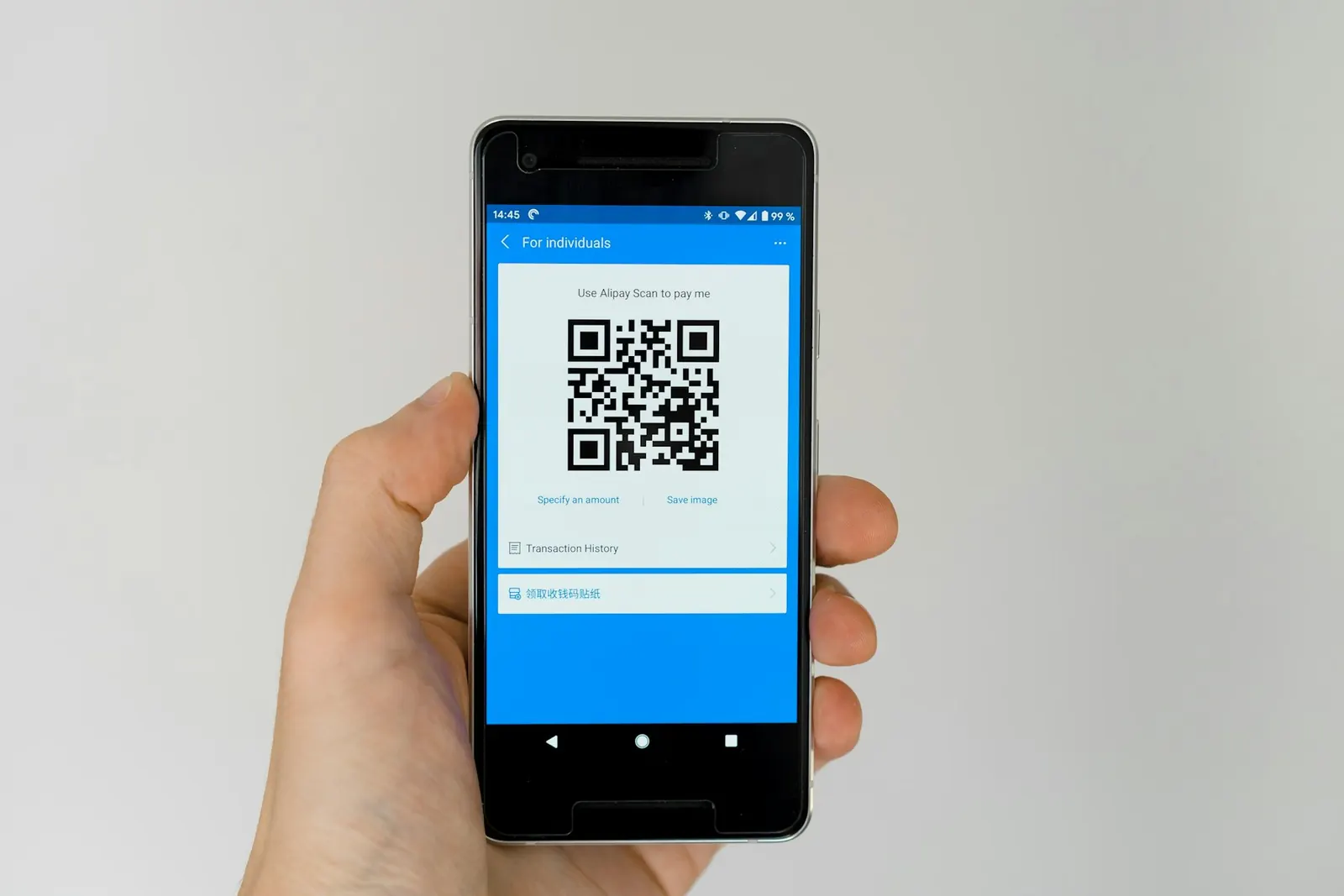
- Log in to Visit Japan Web, enter your customs declaration and get a 2D (QR) code.
- In the customs inspection area, scan your IC passport and the code at the electronic declaration terminal. Your face is photographed and matched with your passport photo.
- The terminal sends you either to the e-Gate or to a customs desk.
- Walk through the e-Gate. Your face is photographed again; Japan Customs says the photos are deleted right after you pass.
Remove sunglasses or a mask before the terminal and the gate. If you have goods above the duty-free allowance or unaccompanied articles, you will be directed to a staffed desk. Codes from the old Customs Declaration App stopped working on 25 January 2024, so use Visit Japan Web. Our Visit Japan Web guide explains registration.
Integrated immigration and customs kiosks
At some airports, one kiosk now covers both immigration and customs. Japan Customs lists these integrated kiosks at Narita (Terminal 3), Haneda, Kansai and Fukuoka. You scan your Visit Japan Web code and your IC passport, a face photo is taken, and the screen shows a letter (a, b, c or d) telling you which signs to follow to immigration and customs. The aim is to remove duplicated steps and shorten the total time.
Points to know about the kiosks:
- Each family or group member completes the kiosk step individually.
- Travellers shorter than 135 cm cannot use them.
- Passengers with a non-IC passport can use the kiosk but not the electronic customs gate afterwards.
- Wheelchair users can use them.
What the form asks
The form asks for your flight number, point of embarkation, name, address in Japan, nationality, occupation, date of birth and passport number. Then it asks Yes/No questions:
- Are you bringing prohibited items (narcotics, firearms, explosives and so on)?
- Are you bringing meat products, vegetables, fruit, animals, plants or other restricted items?
- Gold bullion or gold products?
- Goods (purchases, souvenirs, gifts) over the duty-free allowance?
- Commercial goods or samples?
- Items you were asked to bring by someone else?
- Cash, cheques or securities over ¥1,000,000, or precious metals over 1 kg?
- Do you have unaccompanied articles?
If you answer “Yes” to any question in the first group, list the items on side B.
Duty-free allowances for visitors
The allowances below apply per person for non-residents over 20 (Japan Customs).
| Item | Duty-free allowance |
|---|---|
| Alcoholic beverages | 3 bottles (about 760 ml each) |
| Tobacco | 200 cigarettes, or 50 cigars, or 10 individual packages of heat-not-burn tobacco, or 250 g of other tobacco |
| Perfume | 2 ounces (about 28 ml per ounce) |
| Other goods | Total overseas market value under ¥200,000 |
Points worth knowing about the ¥200,000 allowance:
- Items with an overseas market value under ¥10,000 each are duty-free and do not count towards the total.
- A single item or set worth more than ¥200,000 gets no allowance; duty applies to its full value.
- Commercial goods and samples are dutiable and do not get the allowance.
Cash and means of payment over ¥1 million
If you carry more than ¥1 million (or the equivalent) in cash, cheques, traveller’s cheques, promissory notes or securities, you must file a separate Declaration of Carrying of Means of Payment with customs. The threshold is ¥100,000 for travellers bound for North Korea. Gold bullion of 90% purity or more over 1 kg must also be declared.
Prohibited and restricted items
Japan Customs lists items that cannot be imported, including:
- narcotics and stimulants (including cannabis and MDMA)
- firearms, ammunition and pistol parts
- explosives and materials for chemical weapons
- counterfeit money, securities or credit cards
- obscene materials and child pornography
- goods that infringe intellectual property rights (fake brand goods)
Some items are restricted rather than banned: plants and animals must go through quarantine before customs; medicines and quasi-drugs are limited in quantity (Japan Customs gives about a two-month supply as a guide, and Japanese embassies state up to one month for prescription medicines); cosmetics to 24 units; hunting guns and swords need a permit. See the full prohibited articles list on the Japan Customs site.
Customs and JESTA
JESTA, Japan’s planned travel authorization, is an immigration system run by ISA, not a customs system. It is not required today and is aimed for fiscal year 2028. The customs declaration will still be needed. ISA has said approved JESTA travellers will need to submit the ED card via Visit Japan Web to use the walk-through immigration gate. Read more in how JESTA will work and our overview of Japan entry requirements.
Planning to shop? Purchases made in Japan are a separate matter; see our guide to the new tax-free refund system.
Frequently asked questions
Does every family member need a separate customs form in Japan?
No, not for the paper form. Customs Form C No. 5360 says only one written declaration per family is required. At the electronic gates, however, each person completes the terminal step individually.
Is the paper customs declaration form still valid in Japan?
Yes. Japan Customs recommends Visit Japan Web, but the paper form remains valid at all ports of entry.
What is the duty-free allowance for alcohol in Japan?
Non-residents over 20 can bring 3 bottles of alcohol, about 760 ml each, duty-free.
Do I need to declare cash when entering Japan?
Yes, if you carry more than ¥1 million in cash, cheques or securities. You must submit a Declaration of Carrying of Means of Payment.
Can I still be searched if I declared electronically?
Yes. Japan Customs says officers may inspect your baggage even if you used the electronic declaration.
Sources
- Japan Customs: Customs procedures for visitors to Japan
- Japan Customs: Declaration of accompanied and unaccompanied articles
- Japan Customs: Customs Form C No. 5360-B guide (PDF)
- Japan Customs: Electronic Customs Declaration Gate
- Japan Customs: Integrated immigration and customs kiosks
- Japan Customs: Prohibited articles
- Japan Customs: Declaration of carrying of means of payment (PDF)
- Digital Agency: Visit Japan Web